
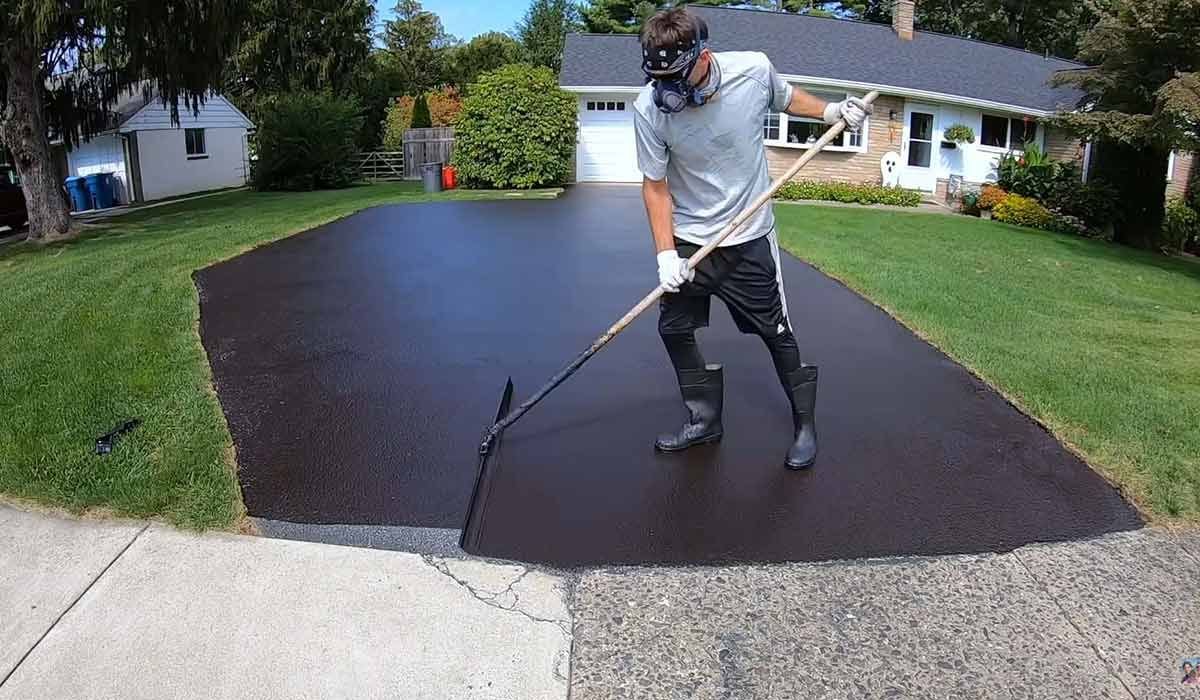
Professional Driveway Restoration Services in North Port, FL
After every major storm that moves through this part of Florida, my phone fills up with the same kind of photos from North Port: driveways with washed-out edges, pavers sitting crooked, joint sand gone, and cracks that “weren’t there before the storm.” At Starshine Pavers Plus, our driveway restoration services in North Port, FL get busiest in the weeks after hurricane season peaks , and after walking hundreds of post-storm driveways, I can tell you the wind is rarely what causes the damage. It’s the water. Flooding, saturated ground, and runoff do more harm to hardscapes in three days than the sun does in three years.
Here’s what storms actually do to driveways and hardscapes in this area, how to spot the damage that hides, and what’s worth fixing versus what’s worth replacing.
Quick Answer
Hurricanes damage North Port driveways mainly through water, not wind: flooding washes out the sand and base beneath pavers, saturated soil lets concrete slabs settle and crack, runoff strips joint sand, and debris impact chips and gouges surfaces. Much of the damage is invisible at first , hollow-sounding slabs, slightly sunken paver areas, new hairline cracks. A post-storm inspection catches problems while they’re small; driveway crack repair in North Port and re-leveling cost a fraction of the replacement that waiting leads to.
What Storms Actually Do to a Driveway
A driveway is really two things: the surface you see and the base you don’t. Storms attack the base.
Flooding and washout.
When water moves across a paved driveway , and parts of North Port move a lot of water , it strips the joint sand first, then starts pulling the bedding sand out from the edges and low spots. The pavers don’t break; the floor under them leaves. You notice it weeks later as dips, wobbles, and edges dropping.
Saturated soil settlement.
Days of rain soak the ground until it compresses under weight. Concrete slabs poured over it settle unevenly, and that’s where new cracks come from , the slab didn’t fail, the earth under one corner did.
Debris impact.
Falling limbs and flying debris chip paver corners and gouge concrete. Cosmetic, usually , but the gouges become water entry points if left open.
Standing water and salt.
Where storm water ponds for days, it leaves staining, feeds mildew, and in surge-affected zones deposits salt that keeps working on the surface long after it dries.
In my experience, the driveways that fail after storms were almost always carrying a hidden weakness before the storm: thin base, poor drainage, open cracks. The hurricane just sent the invoice.
Benefits of a Post-Storm Inspection in North Port
The value is catching base problems while they’re still sand-and-labor fixes. A paver section that’s dropped half an inch can be lifted, re-bedded, and re-set , often you’d never know it happened. Wait two years while cars keep driving over it, and the same area becomes broken pavers, a spreading depression, and a bigger bill.
Honest counterpoint: plenty of driveways come through storms fine, and I tell homeowners that too. If your pavers are level, joints are full, and no new cracks appeared, you don’t need restoration , you might just need washing and fresh joint sand. And some old, failing concrete driveways aren’t worth another repair after a storm; when a slab is cracked through in multiple directions and settling, honest advice is concrete driveway replacement in Rotonda, FL, not another patch on borrowed time.
What Homeowners Should Know Before Starting
Walk your driveway after every big storm.
Ten minutes. Look for new cracks, sunken or rocking pavers, washed-out joint lines, and edges pulling away. Tap suspicious concrete with a broom handle , a hollow sound means a void underneath.
Insurance photos beat memory.
Photograph your driveway now, while it’s fine. A common mistake I often see is homeowners trying to prove storm damage with no “before” , date-stamped photos settle it instantly.
Small cracks are entry doors.
Every open crack lets the next storm’s water reach the base directly. Cement driveway repair on a few hairlines is cheap insurance against the settlement that follows.
Drainage is the real storm-proofing.
Where water flows during a storm decides where your damage happens. Sometimes the best money spent after a flood-out isn’t on the driveway at all , it’s on redirecting the water that crossed it.
How the Process Works
Consultation.
We map the damage against how water moved across the property , you can usually read the flow path in the sand trails and stains. That tells us what’s cosmetic and what’s structural.
Planning.
Repairs get sequenced sensibly: base and leveling first, cracks and joints second, cleaning and sealing last. Where drainage caused the problem, we plan the fix so the next storm doesn’t repeat it , sometimes that includes permeable paver systems in areas that pond, letting water go down instead of across.
Execution.
Paver sections get lifted, the base re-compacted and re-screeded, pavers re-laid and re-sanded. Concrete gets driveway crack repair with proper flexible or structural fillers , not hardware-store caulk smeared over the top. Chips and gouges get patched, and everything finishes with cleaning and sealing so the repaired surface is protected before the next season.
Final inspection.
We water-test where we can , run water across the repaired areas and watch it behave. Field lesson: the storm already showed us where the water wants to go; the job isn’t done until the driveway is ready for it to try again.
Real-World Value Breakdown
| Storm Factor | What Homeowners Experience | Real-World Insight |
| Water flow path | Damage concentrated where runoff crossed | The flow path is visible in sand trails and stains , it predicts next storm’s damage too |
| Base washout | Pavers that dip, rock, or spread months later | The surface fails last; the base fails first , early re-bedding is the cheap fix |
| Soil saturation | New cracks in concrete after days of rain | Slabs rarely break on their own; the soaked ground beneath them moves |
| Open cracks | Hairlines before the storm, wide gaps after | Every unsealed crack is a direct water line to the base , seal them in the dry season |
| Timing of repair | Fixing now vs. after another season | Post-storm damage compounds under daily traffic; the same fix doubles in scope by next year |
What this really means for homeowners in North Port: hurricanes don’t usually destroy driveways in an afternoon , they start a slow failure that traffic finishes over the following year. The inspection and small repairs right after the storm are what keep you off the replacement list.
Common Problems I Often See
Sunken paver patches near downspouts and low corners.
Classic washout. Lift, re-base, re-lay , completely fixable, and invisible when done right.
Joint sand stripped across the whole driveway.
Storm runoff took it. Without sand, pavers shift and weeds move in fast; re-sanding (ideally with polymeric sand) and sealing locks it back down.
New diagonal cracks in concrete.
Settlement from saturated soil. One or two clean cracks are repairable; a spiderweb pattern with height differences starts the replacement conversation.
Hollow-sounding slab sections.
Voids where water tunneled under the concrete. Left alone, that section eventually drops or breaks under a vehicle.
Stains and mildew where water ponded.
Cosmetic but persistent. Surface stain removal and cleaning handle it , and the ponding spot itself is telling you something about drainage.
Services Included
Storm recovery is a core part of our driveway restoration services in North Port. That covers post-storm inspections, paver lifting and re-leveling, base repair and re-compaction, joint re-sanding, driveway crack repair and cement driveway repair in North Port and Punta Gorda on concrete surfaces, debris-damage patching, and full cleaning and sealing to close the surface back up. As an experienced concrete driveway contractor in North Port, FL, we also handle the bigger outcomes honestly , concrete pouring and finishing for sections beyond repair, full concrete driveway replacement where a slab has genuinely failed, and drainage-minded rebuilds including permeable paver systems for chronic ponding areas. Residential and commercial surface care both, because storms don’t check the zoning.
Why Homeowners Choose Starshine Pavers Plus
Mostly because after a storm, this area fills with out-of-town trucks selling urgency, and we’re the local crew people can call back in five years. Homeowners across North Port, Punta Gorda, Englewood, Venice, and Rotonda know us from work done long before the storm, and our post-storm assessments separate what genuinely needs repair from what just needs a wash , in writing, with photos. We’ve walked enough flooded driveways to know the difference between damage and dirt, and we price the repair, not the panic.
Frequently Asked Questions
How do I know if my driveway has hidden storm damage?
Walk it slowly after the water recedes. Look for new cracks, pavers that rock underfoot, low spots where none existed, joint lines emptied of sand, and edges separating. Tap concrete with a broom handle , hollow sounds mean voids underneath. If anything changed from before the storm, it’s worth a professional look while the fix is still small.
Will insurance cover storm damage to my driveway?
Policies vary a lot , some cover debris impact but exclude flood-related settlement unless you carry flood coverage. What helps every claim: date-stamped photos from before the storm, clear photos after, and a written assessment of the damage. We provide documentation with our inspections; the coverage question itself belongs to your agent and policy.
Can sunken pavers really be fixed without replacing them?
Yes , that’s one of pavers’ biggest advantages over concrete. The affected section gets lifted, the washed-out base rebuilt and compacted, and the same pavers re-laid and re-sanded. Done properly, the repair is seamless. It’s also why we often recommend pavers in flood-prone spots: the surface is repairable by section, forever.
Should I repair or replace my cracked concrete driveway after a storm?
One or two clean cracks with no height difference: repair, comfortably. Multiple intersecting cracks, sections settling at different heights, or a slab that sounds hollow across large areas: replacement is usually the honest answer. Age matters too , patching a 30-year-old failing slab buys less time than people hope.
How can I storm-proof my driveway before next season?
Three things, in order of value: seal every open crack so water can’t reach the base, fix drainage so storm water flows around rather than across the driveway, and keep paver joints full and sealed so runoff can’t strip them. For chronic ponding areas, permeable paver systems turn the water problem into a non-event by letting it drain straight down.
Final Thoughts
Storm season is part of the deal in North Port, and your driveway will meet more hurricanes over its life than most contractors will. The ones that survive decades here aren’t lucky , they’re maintained: cracks sealed before the rain, joints kept full, drainage respected, and damage repaired while it’s still small. The storm writes the same test every year; preparation decides the grade.
If the last storm left your hardscape looking different , or you simply don’t know , get it walked before the next season starts. At Starshine Pavers Plus, our driveway restoration services in North Port, FL are built around that ten-minute inspection turning into a small repair instead of a big regret. The next storm is coming either way; the condition it finds your driveway in is up to you.