
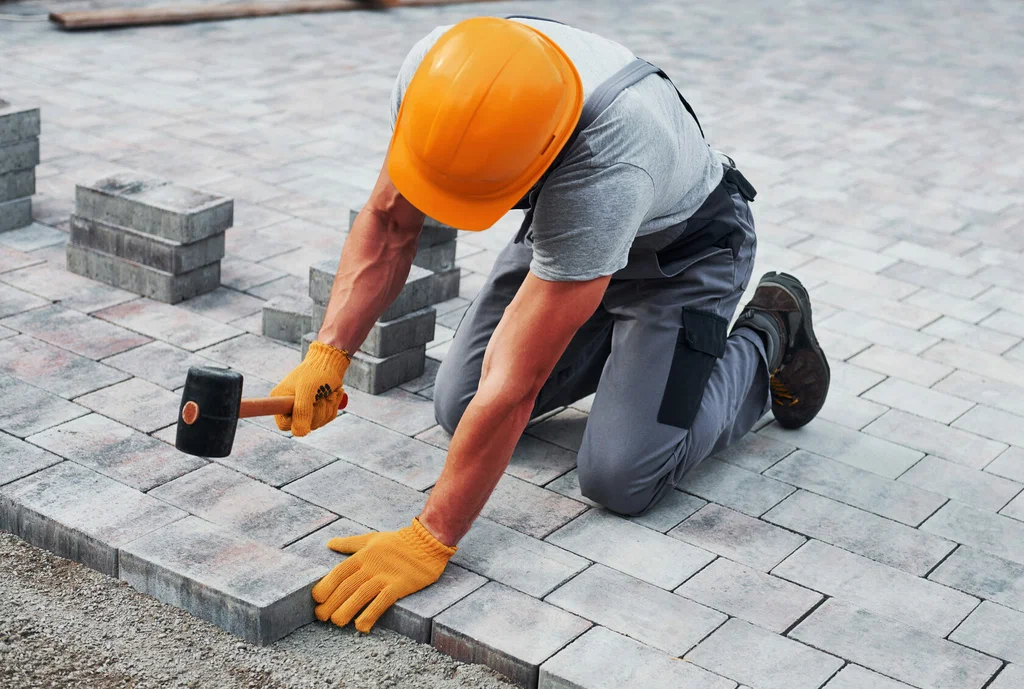
Trusted Paver Installation Contractor in Punta Gorda, FL
The most common paver complaint I hear in Punta Gorda has nothing to do with the pavers. It’s the green fuzz between them. Homeowners pull the weeds, spray the weeds, torch the weeds , and six weeks later the joints are sprouting again like nothing happened. At Starshine Pavers Plus, we get called out as a paver installation contractor in Punta Gorda, FL for beautiful new patios and driveways, but a surprising share of our visits start with a homeowner pointing at their joints and asking why nothing works. The answer usually surprises them: the weeds aren’t coming from under the pavers. And the fix everyone’s heard of , polymeric sand , works brilliantly or fails completely depending on details most people never hear about.
Let me give you the honest version of both.
Quick Answer
Paver weeds almost never grow up from beneath the pavers , they grow down from above. Wind-blown seeds land in the joints, and ordinary joint sand plus Florida rain and sun is a perfect seed bed. Polymeric sand stops this by hardening the joints so seeds can’t root , but only when installed correctly: joints cleaned out deep, sand fully settled, surface dust completely removed, and proper watering with dry days after. Most polymeric sand failures , crumbling joints, hazy pavers, weeds returning , are installation errors, not product failures.
What Is Polymeric Sand, Actually?
Regular joint sand is just sand , it locks pavers against sideways movement, but it washes out in our summer downpours and grows whatever lands in it. Polymeric sand is sand mixed with polymer binders. Install it, wet it correctly, and it cures into a firm, flexible joint , somewhere between sand and grout. Water still sheds, pavers can still flex, but seeds can’t root and rain can’t strip the joints.
That’s the brochure. Here’s the field version: polymeric sand is one of the most technique-sensitive products in hardscaping. It has to go into clean, empty joints at proper depth. It has to be compacted so it settles fully. Every grain of dust has to come off the paver faces before water touches it , or the polymers glue a haze onto your pavers that’s miserable to remove. And the watering itself is a recipe: enough to activate, not enough to flood, followed by dry hours to cure. In my experience, when polymeric sand “doesn’t work,” one of those steps was rushed , usually on a hot afternoon with rain coming.
Benefits of Getting the Joints Right in Punta Gorda
Properly cured polymeric joints change the whole maintenance picture. Weeds essentially stop , seeds land, find no loose bed, and blow away. Ants stop mining the joints and dumping sand piles on your patio. Summer storms stop stripping the sand out, which means the pavers stop loosening and shifting. One properly done re-sand typically outlasts years of the pull-spray-repeat cycle.
The honest boundaries: polymeric sand is not structural repair. If your pavers are sinking or rocking, the base underneath has a problem that new joint sand won’t solve , and locking bad pavers together just makes the eventual fix harder. It’s also not forever; even good joints weather over many years and eventually want renewal. And on brand-new work, sometimes regular sand for a settling period is the right call before the polymeric goes in. A common mistake I often see is treating polymeric sand as the cure for every paver symptom. It cures exactly one disease , and it cures that one extremely well.
What Homeowners Should Know Before Starting
The weeds are landing, not rising.
Once homeowners understand seeds blow in from above, the logic clicks: killing this week’s weeds does nothing about next month’s seeds. Only denying them a rooting bed works long-term.
Old joints must be excavated, not topped up.
Polymeric sand poured over old dirty sand and weed roots fail fast. The joints need cleaning out to real depth , this is the labor nobody wants to do and the step that decides everything.
Dust is the enemy of your paver faces.
Any polymeric dust left on the surface turns to stuck haze when watered. The blowing-off stage isn’t tidiness; it’s protection.
Weather runs the schedule.
The cure needs dry hours after watering. A Punta Gorda summer afternoon can deliver a thunderstorm onto uncured joints and wash your money into the lawn , which is why we watch radar like farmers on sanding days.
Cheap products exist and behave like them.
Bargain polymeric sands crumble early and haze easily. The good ones cost more per bag and less per decade.
How the Process Works
Consultation.
We check what’s actually happening: weed pressure, joint depth, sand condition , and critically, whether the pavers themselves are stable. Joints get fixed after structure, never instead of it.
Planning.
Product selection for the joint width and paver type, plus a genuine weather window. Field lesson: the forecast is part of the materials list on this job.
Execution.
Existing joints get cleaned out , weeds, roots, old sand , to proper depth. New polymeric sand goes in, gets compacted and topped until joints are full and settled. Every trace of dust comes off the surface. Then controlled watering in stages, and the surface rests through its cure. On projects that pair with professional power washing and sealing in Venice, FL, the wash happens well before sanding and the sealing after full cure , sequence matters.
Final inspection.
We check joints for firmness and faces for haze, and walk the homeowner through what the first weeks look like , including the one instruction that matters most: let it cure before it gets soaked.
Real-World Value Breakdown
| Joint Factor | What Homeowners Experience | Real-World Insight |
| Where weeds come from | Endless pulling and spraying | Seeds land from above , until the joints deny them a bed, the cycle repeats forever |
| Joint preparation | Topped-up sand vs. excavated joints | Polymeric sand over old dirty joints is the number one failure I’m called to redo |
| Surface dust | Clean cure vs. glued-on haze | The blow-off step protects your paver faces , skipping it writes the mistake in polymer |
| Watering and weather | Proper staged cure vs. storm-washed joints | One surprise thunderstorm on uncured sand undoes the entire job |
| Paver stability first | Joints locking good pavers vs. hiding bad base | Sand fixes joints; it cannot fix sinking , structure always comes first |
What this really means for homeowners in Punta Gorda: the product works; the shortcuts don’t. Every “polymeric sand didn’t work for me” story I’ve investigated traces back to prep, dust, or weather , three things a careful installer controls and a rushed one gambles.
Common Problems I Often See
Weeds back within months of re-sanding.
Joints were topped up instead of cleaned out , the roots and seed bed stayed. The redo starts with the excavation the first job skipped.
White haze glued to paver faces.
Polymeric dust watered onto the surface. Removal ranges from special cleaners to hard labor; prevention is a leaf blower and patience.
Crumbling joints after one season.
Under-watering, cheap products, or rain during cure. Cured joints should feel firm , if you can rake it out with a finger a year later, it never cured.
Ant hills erupting through joints.
Loose or failed sand is an open door for Florida ants. Sound polymeric joints close it , one of the most appreciated side effects we hear about.
Solid pavers, sunken sections.
Not a sand problem at all , a base problem wearing a sand costume. Those sections need lifting and re-bedding before any joint work.
Services Included
Joint restoration sits inside our full paver care in Punta Gorda: deep joint cleaning, quality polymeric re-sanding with proper cure management, paver lifting and re-leveling where the base needs attention, and sealing that locks the finished work down. On the installation side, we build weeds out from day one , paver walkway installation in Punta Gorda, brick paver driveway installation in Punta Gorda and North Port, patios and pool surrounds using interlocking paver stones on properly compacted base with joints done right the first time. For new outdoor projects, our custom patio paver design in Punta Gorda, FL covers layout through finished surface, and as established paver patio builders near me search keep finding, we back installations with the maintenance that keeps them weed-free for the long run. Residential and commercial surface care alike , joints don’t care who owns them.
Why Homeowners Choose Starshine Pavers Plus
Often because we’re the second contractor , the one called after the quick re-sand failed. What they get from us is the unglamorous version: joints excavated properly, weather respected, dust treated like the hazard it is, and a straight answer when the real problem is the base and not the sand. As a paver installation contractor in Punta Gorda working year-round, we’ve redone enough rushed jobs to know exactly which steps get skipped and what skipping them costs , so our own process simply doesn’t include the shortcuts. The weeds are patient. We have to be more patient than the weeds.
Frequently Asked Questions
Why do weeds grow in paver joints even with fabric underneath?
Because the fabric is guarding the wrong door. Landscape fabric blocks growth from below, but joint weeds start from seeds that blow in from above and root in the sand itself. That’s why decks over fabric still sprout. The fix is at the surface: joints that offer seeds nothing to root in.
Does vinegar or boiling water permanently kill paver weeds?
They kill the visible weed, and that’s all. The seed bed , loose sand in the joint , remains, and new seeds arrive weekly in Florida. DIY killers are fine as a stopgap, but the cycle only ends when the joints themselves are hardened against rooting. Also worth knowing: strong vinegar can etch some paver surfaces.
How long does polymeric sand last in Punta Gorda?
Properly installed with quality product, several years to a decade depending on traffic, sun, and drainage , and renewal is a re-sand, not a rebuild. Poorly installed, it can fail its first summer. The lifespan difference is almost entirely in the installation day: clean joints, full compaction, correct watering, dry cure.
Can I install polymeric sand myself?
Careful DIYers can, and the ones who succeed treat the instructions like law. The failure points are always the same: not cleaning old joints out, leaving dust on the surface, and watering wrong or ahead of rain. If you go DIY, budget most of your time for prep and pick your weather window ruthlessly.
My pavers are shifting AND growing weeds , same problem?
Related, but no. Weeds mean the joints are open; shifting means the base or edge restraint is failing. Sand alone fixes the first, not the second , and re-sanding over a moving surface wastes the sand. Stabilize the pavers first, then lock the joints. Done in that order, both problems stay solved.
Final Thoughts
The weed cycle in Punta Gorda ends the same way every time it actually ends: not with a stronger spray, but with joints that give seeds nowhere to live. Polymeric sand is genuinely that solution , and genuinely unforgiving of shortcuts. Clean joints, settled sand, dust-free faces, and a dry cure aren’t fine print; they’re the entire difference between joints that hold for years and a redo by Christmas.
So if you’re pulling the same weeds for the third season, stop fighting the leaves and fix the bed they grow in. At Starshine Pavers Plus, our joint restoration and paver installation in Punta Gorda, FL is built on the boring disciplines the sand demands , because the truth about polymeric sand is simple: it never fails on its own. It only fails with help.