
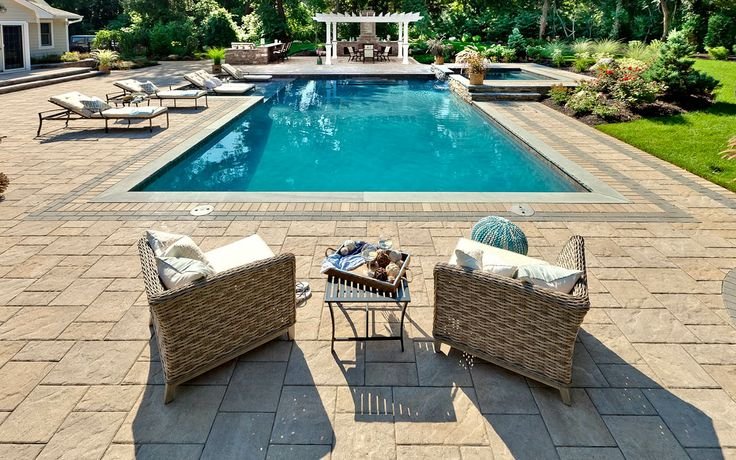
Pool Deck Resurfacing: Fix Cracks Before They Become Costly
Restore worn pool areas and driveways in North Port with pool deck resurfacing that suits Florida weather. Learn what to repair, seal, and ask before hiring.
A cracked, faded pool deck can make an otherwise well-kept North Port backyard look tired. Worse, small surface failures can become trip hazards or allow water to work into damaged areas. For homeowners considering pool deck resurfacing, the first question should not be “What color do I want?” It should be “Is the existing surface sound enough to restore?” Starshine Pavers approaches that decision from the condition of the concrete, the way water moves across the property, and how the surface will be used.
What This Service Actually Does
Pool deck resurfacing renews the exposed surface of an existing concrete deck rather than automatically removing the entire slab. Depending on the condition of the concrete, the work can include pressure washing, mechanical preparation, crack treatment, patching, bonding or priming, an overlay or coating, texture, color, and a protective sealer.
That distinction matters. A deck with faded color, minor spalling, hairline cracking, stains, or a worn finish may be a good restoration candidate. A slab with major settlement, severe movement, deep structural cracking, or drainage-related failure may need a different repair plan.
In North Port, we’ve noticed that most homeowners initially focus on appearance, but water management deserves equal attention. The city has a large watershed and a stormwater system built around swales, ditches, canals, and other drainage features. After sustained rainfall, some areas can hold water for a while by design. That makes grading and runoff around a pool deck or driveway worth checking before a new surface goes down.
A good resurfacing plan also considers bare-foot comfort and slip resistance. Pool surroundings regularly see splashed water, sunscreen, cleaning chemicals, and wet feet. A finish that looks attractive in a sample book still needs enough texture and traction for everyday use.
The Real Challenge in North Port, FL
North Port properties deal with a mix of intense sun, heavy seasonal rainfall, tropical weather, and drainage conditions that can vary from one neighborhood or lot to another. The city specifically warns residents that heavy rain and tropical systems can create significant water impacts, while its stormwater system is designed to move water gradually through swales and other infrastructure.
That creates an issue generic resurfacing articles often skip: a new surface cannot correct a drainage problem by itself. If water repeatedly sits beside a pool deck, crosses a driveway, or runs toward a low point, the source should be identified before cosmetic work begins.
A client in North Port reached out after noticing several cracks near the edge of a pool deck and dark areas that stayed damp after rain. The cracks were not all caused by the same issue; some were surface wear, while the low area needed closer attention. Instead of treating every defect with the same material, the sensible approach was to separate surface repair from the underlying drainage concern.
The question many contractors avoid is simple: “What if resurfacing is not the right choice?” A trustworthy assessment should be willing to say that. If the slab is moving or the base has failed, covering it can delay the real repair and add another layer of expense later.
Driveways deserve the same level of scrutiny. Small cracks can widen with water intrusion, vehicle loads, and repeated weather exposure. Depending on the surface, Driveway crack repair in North Port, FL may involve cleaning and routing the crack, filling or sealing it with a compatible material, and addressing nearby failures rather than simply brushing sealer over everything.
How Starshine Pavers Approaches the Work Differently
For this team, the practical difference is starting with the substrate rather than the finish. A sound resurfacing project depends heavily on preparation: removing dirt, oils, loose material, old failing coatings, and other contaminants; identifying cracks and weak areas; making suitable repairs; and confirming that the surface is ready for the selected system.
The next decision is the surface system itself. Pool decks may use acrylic overlays, textured cementitious systems, decorative concrete finishes, or other products designed for exterior conditions. The right choice depends on the existing concrete, desired texture, exposure, maintenance expectations, and the manufacturer’s requirements.
Pages reviewed for this topic commonly emphasize epoxy or overlay options, slip resistance, weather resistance, and installation steps, but give less attention to the decision point of when resurfacing is not the right choice. That is a meaningful gap for homeowners.
Generic coating advice can also miss an important distinction: an interior-grade coating is not automatically suitable for a pool deck simply because it bonds to concrete. Exterior UV exposure, standing water, pool chemicals, temperature changes, and traction requirements all affect performance.
Driveways also need a separate plan. A driveway has to handle tire loads, turning forces, oil and fuel drips, rainwater, and repeated expansion and contraction. Driveway restoration services can range from isolated repairs and sealing to broader surface renewal, but the scope should match the actual condition rather than the homeowner’s preferred finish.
One useful rule is to look at the transition areas: pool coping, control joints, expansion joints, driveway edges, steps, and places where one material meets another. These locations often reveal movement or water problems before the center of the surface shows obvious damage.
Practical Tips: What to Know Before You Decide
Working with clients in North Port, our team found that the most useful project conversations happen before anyone chooses a color. A few checks can prevent a cosmetic upgrade from becoming a short-lived fix.
1. Ask what is causing the cracks.
Hairline surface cracks and cracks caused by slab movement are not the same. Ask the contractor to explain the likely cause and what repair method is being proposed.
2. Check drainage after rain.
Walk the pool deck and driveway after a substantial storm. Look for recurring puddles, water flowing toward the house, erosion near edges, or areas that stay damp longer than the rest. North Port’s stormwater guidance explains that water may remain in swales for as long as 72 hours after rain, so not every wet area indicates a failed drainage system. The key is whether water is behaving as intended on your property.
3. Ask what preparation is included.
“Resurfacing” should not mean applying a new layer over dirt, loose concrete, or a failing coating. Ask whether cleaning, grinding or other mechanical preparation, crack repair, patching, priming, and final sealing are included.
4. Compare the whole system, not just the price.
Two estimates can look very different because one includes repairs and preparation while another mainly covers the finish. Check the material, number of coats or layers, texture, sealer, warranty terms, and preparation work.
5. Think about heat and bare feet.
A dark surface can feel hotter under strong Florida sun. Texture also affects comfort and traction. Ask for a finish sample and consider how it feels when wet, not only how it looks when dry.
6. Keep the driveway and pool area connected visually.
If both surfaces are being restored, similar tones or complementary borders can make the property feel more cohesive. That does not mean they need identical materials. Their functional demands are different.
7. Verify who is doing the work.
Ask for proof of insurance, a written scope, product information, references or recent project examples, and clear payment terms. For work that changes drainage, footprint, structural elements, or other regulated aspects of a property, confirm local permitting requirements before work starts.
If you’re comparing pool deck repair and sealing options, ask how the proposed sealer interacts with the chosen finish and how often it should be renewed. A useful local tip is to take photos of the same problem during dry weather and after heavy rain. Those images can help a contractor understand whether a crack, stain, or wet area is isolated or connected to a recurring water pattern.
A Better Way to Protect the Investment
A successful pool deck project is not simply a new color placed over old concrete. The long-term result depends on substrate condition, surface preparation, drainage, material selection, texture, and routine care. In North Port, where heavy rainfall can put extra pressure on outdoor surfaces and drainage systems, those details deserve attention before the finish is chosen.
For homeowners considering pool deck resurfacing, the best next step is a site assessment that separates cosmetic wear from structural or drainage concerns. Starshine Pavers provides Pool Deck & Driveway work in North Port, FL, so a homeowner can discuss the existing surface, repair needs, and practical finish options before committing to the project.
4. FAQs
Can a cracked concrete pool deck be resurfaced?
Often, yes, if the slab remains structurally sound. Hairline cracks, minor surface wear, discoloration, and small areas of spalling can often be repaired before a new finish is applied. Significant settlement, movement, deep structural cracking, or serious drainage problems may require a different repair or replacement plan.
How much does pool deck resurfacing cost in North Port?
Pricing varies with deck size, existing damage, preparation, repair work, material, texture, color, and sealer. A small deck with limited repairs can cost far less than a large surface needing extensive preparation. Get written estimates that separate preparation, repairs, materials, and finishing so you can compare scopes rather than prices alone.
How long does a resurfaced pool deck last?
Service life depends on the surface system, preparation, weather exposure, drainage, traffic, and maintenance. A properly prepared exterior surface can provide years of service, but no coating is permanent. Ask about the expected service interval for the specific product, how it should be cleaned, and what conditions could shorten its life.
How do I know a pool deck contractor is legitimate?
Look for current insurance, a clear written scope, identifiable business information, recent local project examples, product details, and straightforward payment terms. Ask who will perform the preparation and repairs, not just who will apply the finish. A contractor should also be willing to explain when resurfacing is unsuitable and what alternative is appropriate.
Can the driveway be repaired at the same time as the pool deck?
Yes, coordinating both areas can make sense, especially if they share access, drainage, or a similar finish. The repair methods should still reflect how each surface is used. A driveway carries vehicle loads and turning forces, while a pool deck needs comfortable footing and wet-surface traction. Treating them as identical surfaces can create problems.